
In This Article
# General Contractor Remodeling in Seattle, Washington: The Complete Homeowner Guide
Hiring a general contractor for a remodeling project in Seattle, Washington is one of the most significant decisions you will make as a homeowner. From navigating Seattle's permit system at SDCI to managing subcontractors, scheduling inspections, and protecting your home during active construction, the right general contractor is the difference between a project that finishes on time and budget and one that lingers for months past both. Seattle's construction environment carries its own layers of complexity — rain, seismic code requirements, aging housing stock from the craftsman era, and a busy permit office — and the contractor you choose needs to know all of it.
This guide walks through everything you need to know before signing a contract with a general contractor in Seattle. Whether you are planning a kitchen remodel, a full home renovation, a bathroom overhaul, or a home addition, the framework here applies to all of it.
---
What Does a General Contractor Actually Do on a Remodeling Project?
A general contractor (GC) is the single point of accountability on your project. They coordinate every trade — framing, plumbing, electrical, HVAC, tile, finish carpentry — and take legal and financial responsibility for the work performed on your home.
On a residential remodeling project in Seattle, a GC typically handles:
- • Pulling permits from the Seattle Department of Construction and Inspections (SDCI)
- • Hiring and managing licensed subcontractors
- • Creating and managing the construction schedule
- • Ordering and staging materials
- • Attending all required city inspections
- • Communicating progress to the homeowner
- • Managing the project budget and change orders
---
Why General Contractor Remodeling in Seattle Requires Local Expertise
Seattle is not a generic construction market. Several factors make local knowledge essential:
Permitting Through SDCI
The Seattle Department of Construction and Inspections processes permits at its own pace. Knowing which project types qualify for an Online Permit, which need a full over-the-counter review, and which require a complete plan set submitted digitally through the City's portal is something an experienced Seattle GC handles as routine. A contractor unfamiliar with SDCI can cause weeks of delay just in the permit application phase.
Seismic and Soil Conditions
King County's geology includes areas with significant liquefaction potential. For projects involving foundation work, additions, or structural changes, a Seattle GC needs to understand the interplay between soil reports, structural engineering, and the city's requirements for seismic upgrades.
Older Housing Stock
A large portion of Seattle's single-family homes were built between 1900 and 1970. This means knob-and-tube wiring, galvanized plumbing, single-pane windows, minimal or no insulation, and framing that does not match modern dimensional lumber standards. Experienced remodeling contractors budget for discoveries — and communicate them honestly before the contract is signed.
Washington State Contractor Licensing
Every general contractor performing work in Washington must hold a valid license through the Washington State Department of Labor and Industries (L&I). You can verify any contractor's license at verify.lni.wa.gov. Love Construction holds Washington License LOVECC*802N4. Never hire a contractor who cannot provide this number or whose license shows as lapsed, suspended, or expired.
---
The Remodeling Process Step by Step
Understanding the sequence of a remodeling project helps you ask better questions during the bidding process and set realistic expectations.
| Phase | What Happens | Typical Duration | |---|---|---| | Scope & Design | Consultation, measurements, design drawings | 1–4 weeks | | Permitting | SDCI application, review, approval | 2–12 weeks depending on project type | | Pre-Construction | Material ordering, subcontractor scheduling | 1–2 weeks | | Demolition | Removal of existing finishes and structures | 1–5 days | | Rough Work | Framing, plumbing rough-in, electrical rough-in | 1–4 weeks | | Rough Inspections | City inspector approves rough work | 1–5 days per inspection | | Insulation & Drywall | Insulation install, drywall hang, tape, mud | 1–3 weeks | | Finish Work | Tile, cabinetry, trim, fixtures, flooring | 2–6 weeks | | Final Inspection | City signs off on completed work | 1–3 days | | Punch List | Contractor corrects remaining items | 3–10 days |
---
How to Vet a General Contractor in Seattle
Questions to Ask Before Signing
1. Are you licensed, bonded, and insured in Washington State? Request the L&I license number and verify it independently. Ask for a certificate of general liability insurance (minimum $1M per occurrence) and workers' compensation coverage. Your homeowner's insurance may not cover injuries to unlicensed workers on your property.
2. Have you pulled permits for projects like mine in Seattle specifically? SDCI experience matters. A contractor who regularly pulls permits in Seattle knows the current timeline, which plan reviewers require what documentation, and how to draft a scope of work that gets approved without revisions.
3. Who will be on my job site daily? On many large-volume remodeling companies, the person who sells you the project is never the person who shows up to build it. Boutique firms often provide direct principal involvement throughout. Know which situation you are in before signing.
4. Can I speak with three recent Seattle-area references? Ask each reference specifically about schedule adherence, budget management, how surprises were handled, and whether they would hire the contractor again.
5. How do you handle change orders? Changes are inevitable on any remodel. A professional GC presents written change orders with a cost and schedule impact before doing any work outside the original scope. Verbal agreements about changes are a common source of disputes.
Red Flags to Watch For
- • Requesting more than 30–50% of the total contract price upfront (Washington law limits deposits)
- • No physical business address or local presence
- • Pressuring you to start before permits are issued ("we'll get them during construction")
- • Unusually low bid without a clear explanation of what is excluded
- • Inability or unwillingness to provide proof of insurance
What Do Remodeling Projects Cost in Seattle?
Costs in the Seattle metro are consistently above national averages due to labor market conditions, permitting fees, and material handling costs. The figures below reflect current 2026 market conditions.
| Project Type | Low End | Mid Range | High End | |---|---|---|---| | Kitchen Remodel | $35,000 | $75,000 | $150,000+ | | Bathroom Remodel (primary) | $18,000 | $40,000 | $85,000+ | | Home Addition (per sq ft) | $350 | $475 | $650+ | | ADU / DADU | $120,000 | $200,000 | $350,000+ | | Full Home Renovation | $150,000 | $350,000 | $700,000+ |
These ranges assume licensed work with permits pulled. Be cautious of bids significantly below these ranges — they typically signal unlicensed subcontractors, excluded permit costs, or a scope that does not match what you are expecting.
---
Why Design-Build Contractors Outperform the Traditional Bid Model
The traditional model — hire a designer separately, get multiple bids from GCs, then manage the relationship between them — creates a coordination gap. Designers draw plans without knowing construction costs. GCs bid on plans without the benefit of early input on cost-effective alternatives. The homeowner sits in the middle managing a handoff.
A design-build approach integrates the design and construction process under one roof. Benefits include:
- • Accurate budget estimates before design is finalized
- • Faster project delivery due to overlapping design and permitting phases
- • Single point of accountability for both design decisions and construction execution
- • Fewer surprises because the builder understands the design intent from the start
---
Passive House and Sustainable Remodeling in Seattle
Seattle's climate — mild, damp, and overcast — is ideal for Passive House construction principles. Passive House is a building science standard, not just a design aesthetic. It focuses on:
- • Exceptional insulation and thermal bridge elimination
- • Continuous air sealing to reduce infiltration
- • High-performance windows and doors
- • Heat recovery ventilation (HRV/ERV) for fresh air without energy loss
- • Passive solar optimization
Love Construction brings Passive House expertise to remodeling projects of all scales — from full gut renovations that target the standard to individual upgrades like insulation packages, window replacements, and air sealing campaigns that meaningfully move the needle on performance.
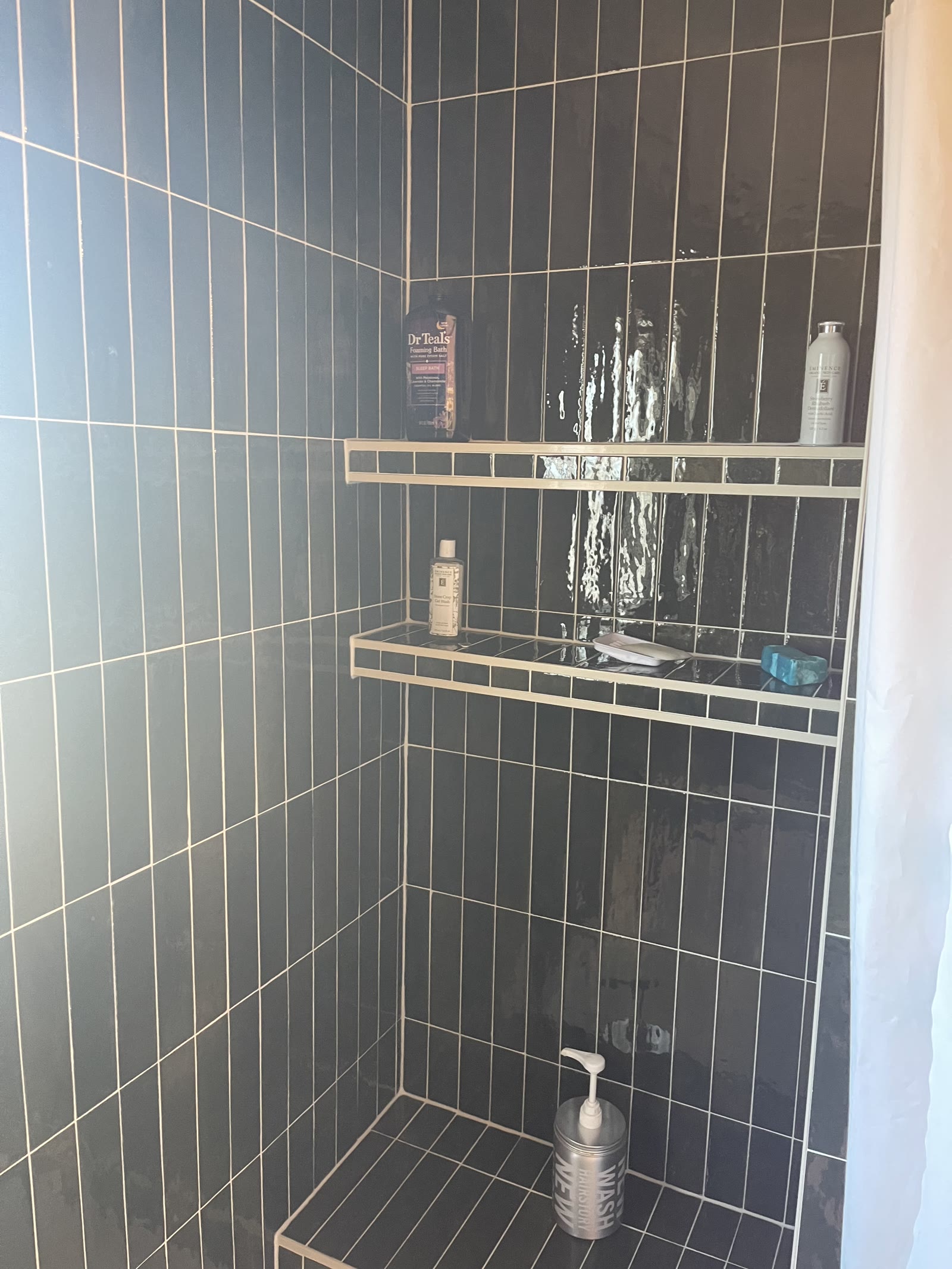
!General contractor remodeling project in Seattle, Washington

---
Frequently Asked Questions
How long does it take to get a remodeling permit in Seattle?
It depends on the project type and current SDCI workload. Simple interior projects may qualify for an Online Permit that is issued in 1–2 business days. Complex structural projects, additions, and ADUs typically go through a full review process that takes 8–14 weeks at current volumes. Expedited review is available for a fee. Your GC should give you a realistic permit timeline estimate before you set a start date.
Do I need a permit to remodel a kitchen or bathroom in Seattle?
For most kitchen and bathroom remodels that involve structural changes, moving walls, relocating plumbing or electrical, or adding new fixture circuits, yes — a permit is required. Work that is strictly cosmetic (painting, replacing cabinet fronts, swapping fixtures without moving rough-in locations) typically does not require a permit. When in doubt, ask SDCI or ask your contractor. Unpermitted work creates problems at resale and can affect your homeowner's insurance coverage.
What is the difference between a general contractor and a handyman?
A general contractor holds a Washington State contractor license, carries general liability insurance and workers' compensation coverage, and is legally authorized to pull building permits and coordinate licensed subcontractors. A handyman may be appropriate for minor repairs under a certain dollar threshold but is not licensed to perform work that requires permits, licensed electrical, or licensed plumbing. For any significant remodeling project, you need a licensed general contractor.
How do I know if a contractor is licensed in Washington State?
Visit verify.lni.wa.gov and search by business name or contractor registration number. The record will show license status, expiration date, and any complaints or enforcement actions on file. This takes two minutes and is worth doing before every first meeting.
What areas does Love Construction serve?
Love Construction is based in SeaTac and serves the greater Seattle area, including Seattle proper, Bellevue, Kirkland, Issaquah, and Newcastle. Within Seattle, we regularly work in Capitol Hill, Queen Anne, Ballard, Fremont, Wallingford, University District, Green Lake, Beacon Hill, West Seattle, Columbia City, and surrounding neighborhoods.
---
Getting Started With Your Seattle Remodeling Project
The earlier you bring a general contractor into a remodeling conversation, the better positioned you are. Early GC involvement means realistic budget framing before you fall in love with a design, permit strategy built into the project schedule from day one, and a team that understands your goals before a single drawing is produced.
If you are planning a remodeling project in Seattle — a kitchen renovation, a bathroom overhaul, a home addition, or an ADU or DADU — Love Construction welcomes the conversation. Explore our home remodeling services or review our approach to home additions to understand what working with us looks like. When you are ready to discuss your project, contact us for a free consultation with Aaron.
Love Construction LLC — Seattle, WA | License: LOVECC*802N4 | (206) 339-2718
Ready to Start Your Project?
Contact Love Construction for a free consultation on your remodeling project.